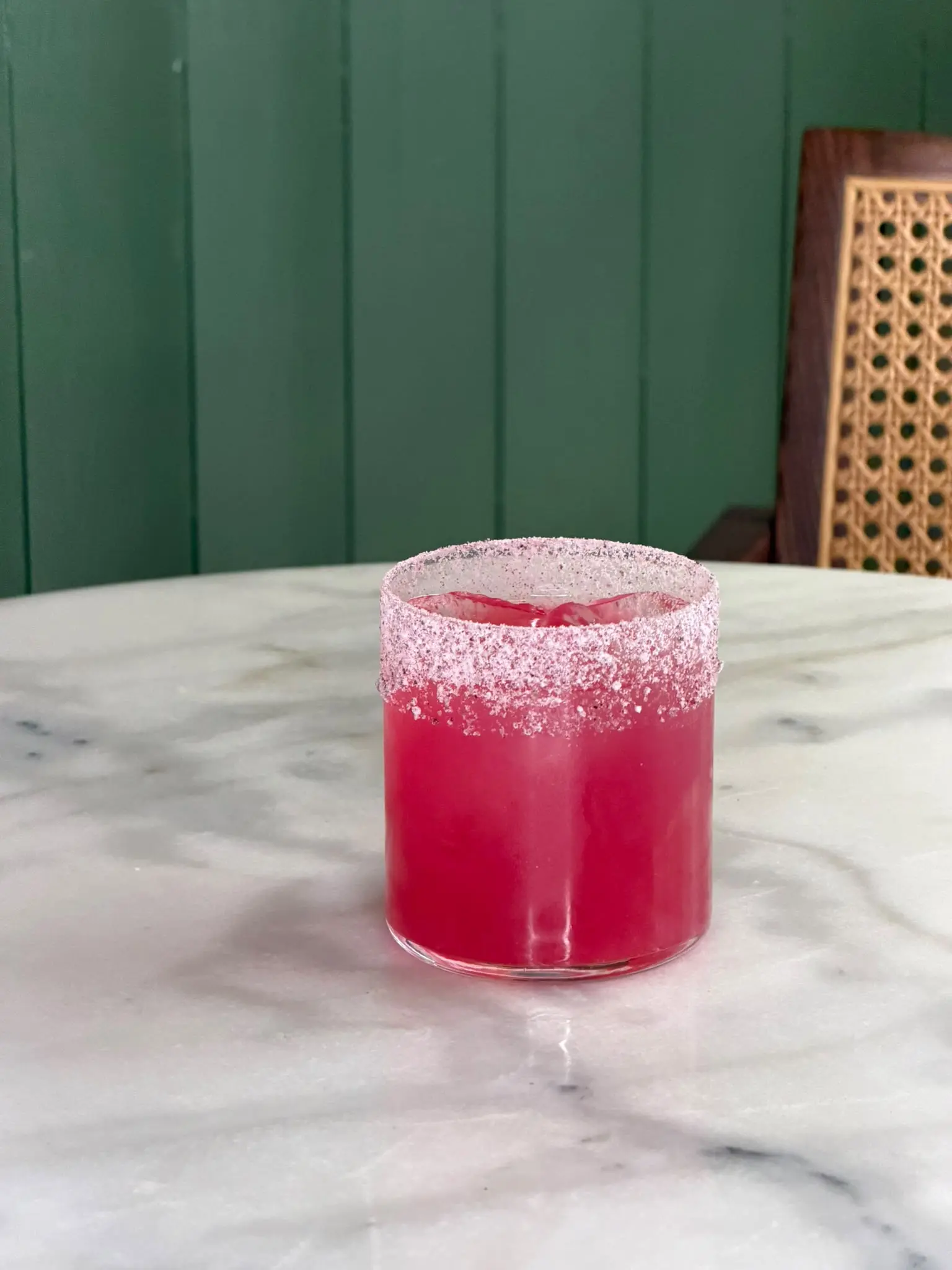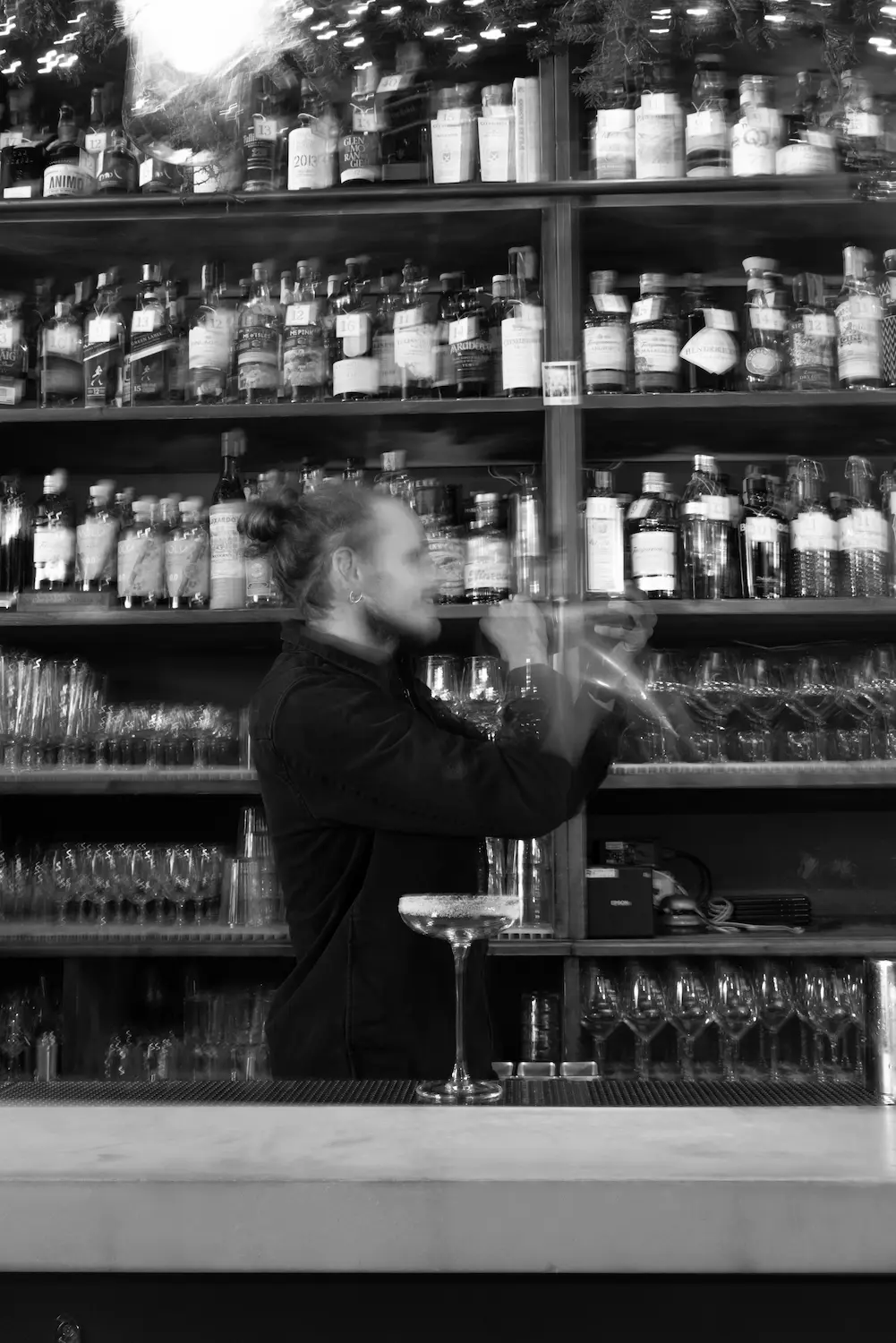

When a cocktail arrives at the table, the work behind it seems to have taken only a few minutes.
A bottle, a few ingredients, some ice, a handful of movements behind the bar, and the drink is ready. From the guest’s point of view, that is exactly how it should look: natural.
What you don’t see is everything that happened beforehand. Because a large part of a bartender’s work takes place when there is still no one sitting at the bar.
The Evening Begins Long Before the First Cocktail
Before the first guests arrive, the bar has to be ready.
Ingredients, preparations, garnishes, ice, glassware, and tools all need to be organized so that when the pace picks up, everything is exactly where it needs to be.
On a contemporary cocktail menu, many preparations are made in advance. Infusions, syrups, fresh ingredients, and other components can require time and precision before they ever make it into a glass.
It is a part of the job that guests rarely see, but it determines what will happen throughout the entire evening.
Knowing a Recipe Is Not Enough
Recipes can be learned. A bartender’s work, however, does not end with measurements.
You need to know the spirits, understand how they change when combined with other ingredients, and know what happens when temperature, dilution, or proportions are adjusted.
A cocktail with only a few ingredients can sometimes be more difficult to handle than one that appears complex. When the structure is minimal, every small mistake becomes immediately noticeable.
That is where technique comes in: making sure precision and knowledge never become the main attraction, but remain quietly behind the final result.
Understanding What Someone Wants to Drink
Then comes the part that no recipe can fully teach.
“I’d like something fresh, but not too sweet.” “I like gin, but I’d like to try something different.” “I don’t know what to order.”
Behind such simple requests are very different tastes. A bartender needs to listen, ask the right questions, and turn a few clues into a choice that makes sense.
Sometimes that means suggesting something new. Other times, it means understanding that tonight the guest simply wants a great classic prepared exactly as it should be.
Knowing the difference is part of the job.
The Rhythm Behind the Bar
There are moments when the bar suddenly changes pace.
Orders arrive at the same time, someone is deciding what to drink, another guest wants to ask a question, and several cocktails need to go out almost simultaneously.
This is when all the organization done before opening becomes essential.
Speed, however, does not simply mean doing everything faster. It means maintaining precision as the pace increases. A cocktail ordered when the bar is full should receive the same attention as one prepared at the beginning of the evening.
A Bartender Is Working Even When It Looks Like They’re Standing Still
From the outside, it may seem that not much is happening between one order and the next.
In reality, the bar is constantly being reset, ingredients are checked, ice is managed, glasses are prepared, and the workstation is brought back to the condition needed for the next order.
It is a job made up of small gestures repeated hundreds of times. When they are done well, almost no one notices them.
And that is probably a good sign.
A Bartender Doesn’t Just Make Cocktails
Finally, there is a part of the job that is much harder to measure.
A cocktail bar is also a social space. Some people want to talk, others prefer to observe. Some arrive with a group of friends, while others choose to sit alone at the bar.
The bartender stands exactly where all these different evenings meet.
Being present without being intrusive, knowing when to tell the story behind a drink and when to simply let someone enjoy it, remembering a preference or exchanging a few words: these are details that appear in no recipe, yet they can completely change the experience of a place.
Behind the Bar at UGO in Navigli
At UGO Cocktail Bar – Bistrot, on Via Corsico in Milan’s Navigli district, the bar is naturally at the center of this work.
It is where the cocktails on the menu take shape, but it is also where much of the rhythm of the evening is created.
Technique and ingredients are essential, but they are not enough on their own. A cocktail is made for someone, at a particular moment, as part of an experience that begins before the first sip and continues after the glass has left the bar.
When Everything Looks Simple
Perhaps the work behind the bar is at its best precisely when the guest does not think about any of this.
You order, talk with friends, watch the bartender prepare your drink for a few seconds, and shortly afterwards the cocktail is in front of you.
Nothing seems particularly complicated.
But behind those few minutes are preparation, memory, technique, organization, attention, and hundreds of small gestures learned over time.
The final result is a glass.
The work required to make it look that simple is everything that remains on the other side of the bar.