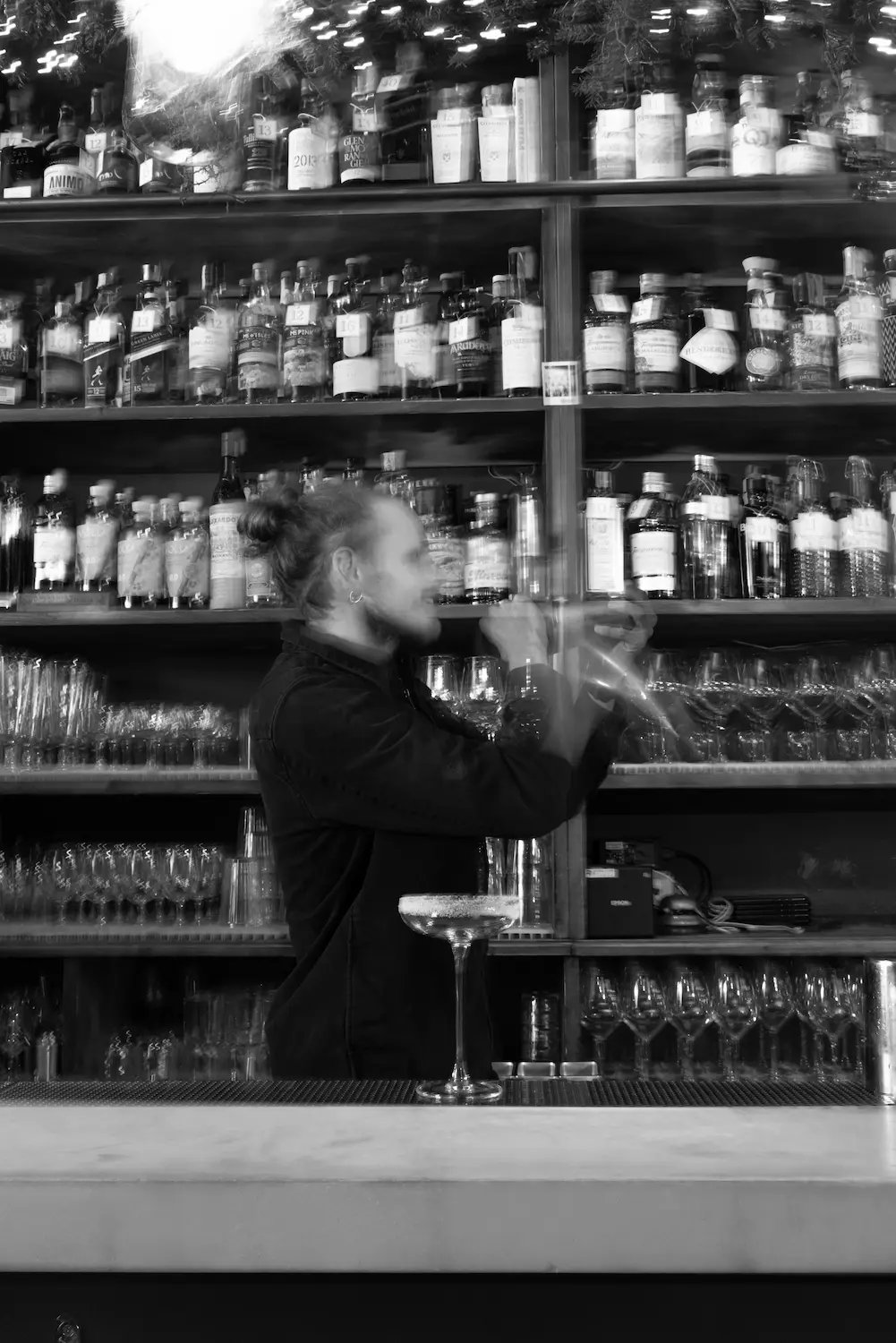
A cocktail can be very simple: a few ingredients, ice, and the right proportions.
But behind some cocktails, there is a process that goes far beyond simply following a recipe. Spirits, ingredients, aromas, techniques, temperatures, and textures are studied. Recipes are tested, adjusted, and sometimes started again from scratch.
This is where it comes into play a word that has become increasingly common in the world of cocktail: mixology.
The term is often used to describe the more creative and experimental side of working behind the bar. But mixology does not simply mean making complicated cocktails. At its core, the question remains the same: how can different ingredients be brought together to create a drink with balance, character, and an identity of its own?
What Is Mixology?
Mixology can be considered the study of cocktail creation.
It means understanding the characteristics of gin, rum, whisky, tequila, vermouth, bitters, and liqueurs, but also knowing how these ingredients behave when combined with citrus fruits, fresh fruit, herbs, spices, tea, coffee, and many other elements.
Technique, temperature, ice, and dilution also come into play. Even an apparently minor adjustment can significantly change the final result.
This is why mixology and cocktails are closely connected, but they are not exactly the same thing. Making a cocktail well means knowing how to execute a recipe. Mixology also looks at what comes before: the research, development, and construction of the recipe itself.
Where Did Mixology Begin?
The idea of studying and codifying cocktail preparation is not as recent as it might seem.
As early as the nineteenth century, with the growth of bar culture and the publication of some of the first manuals dedicated to mixed drinks, recipes, techniques, and proportions began to be collected. Cocktails were starting to develop a language of their own.
One of the most important names in this history is Jerry Thomas, the American bartender who published How to Mix Drinks in 1862, one of the earliest major written references dedicated to cocktail preparation.
Since then, cocktail culture has passed through very different eras. Some recipes became great classics, others disappeared, while still others were rediscovered and reinterpreted by contemporary bartenders.
Modern mixology also grows from this heritage: understanding what came before in order to discover where it can go next.
From Classic Cocktails to Contemporary Mixology
Negroni, Martini, Manhattan, Daiquiri, Margarita, and many other great cocktails remain fundamental because they have precise and recognizable structures.
For a bartender, they are almost like a grammar.
Understanding the balance between spirits, sweetness, acidity, and bitterness helps explain why certain recipes work and how they can be reinterpreted.
Contemporary mixology often starts precisely here. A familiar cocktail can be taken apart, studied, and rebuilt using different ingredients without necessarily losing its connection to the original structure.
It is one of the reasons why, in a modern cocktail bar , great classics and completely new signature cocktails can sit side by side.
What Makes a Signature Cocktail?
Adding an unusual ingredient is not enough.
A signature cocktail should have a recognizable idea and, above all, it should work in the glass.
The creative process might begin with a spirit, an aroma, a seasonal ingredient, a memory, or the reinterpretation of a classic cocktail. From there begins a process of testing and adjusting proportions.
Some ingredients are removed, others are modified. One component might be infused, an aroma used in a different form, sweetness reduced, or bitterness made more prominent.
The guest, of course, should not have to think about all of this while drinking.
The complexity belongs to the preparation. What should remain in the glass is, above all, a cocktail that is enjoyable, balanced, and distinctive.
Mixology in Milan: An Evolving Cocktail Culture
In recent years, cocktail culture in Milan has increasingly embraced research and experimentation.
Alongside the great classics, many cocktail bars offer original drinks built around less conventional ingredients, contemporary techniques, and the personal interpretations of their bartenders.
Navigli naturally forms part of this scene. The neighborhood remains one of the reference points of Milanese nightlife, but having a cocktail in Navigli today can mean very different experiences: from the traditional aperitivo to a cocktail menu designed as a journey in its own right.
And it is precisely in this second direction that UGO finds its place.
How UGO Interprets Mixology
At UGO Cocktail Bar – Bistrot, on Via Corsico in Navigli, mixology is not presented as a technical exercise for its own sake.
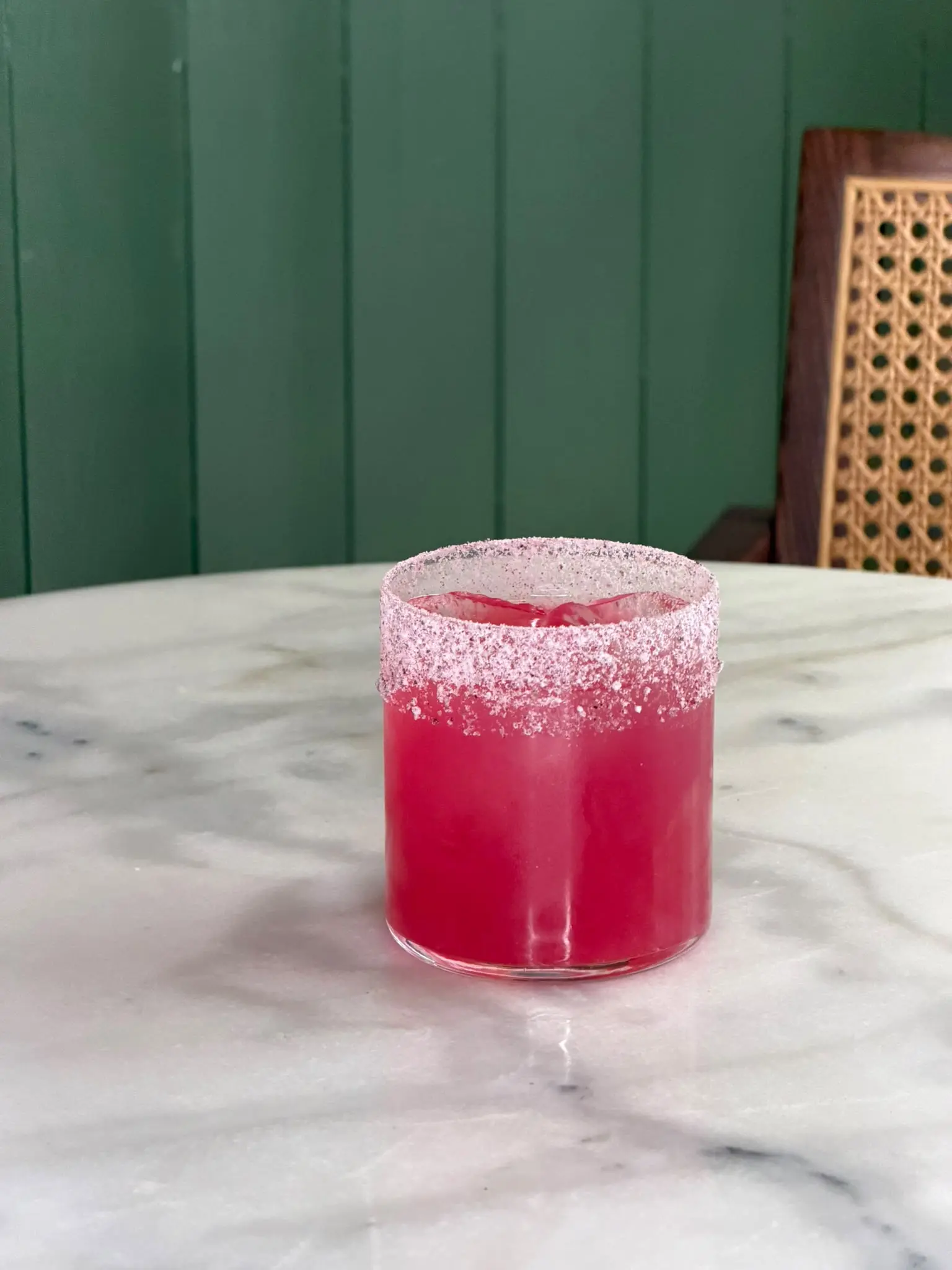
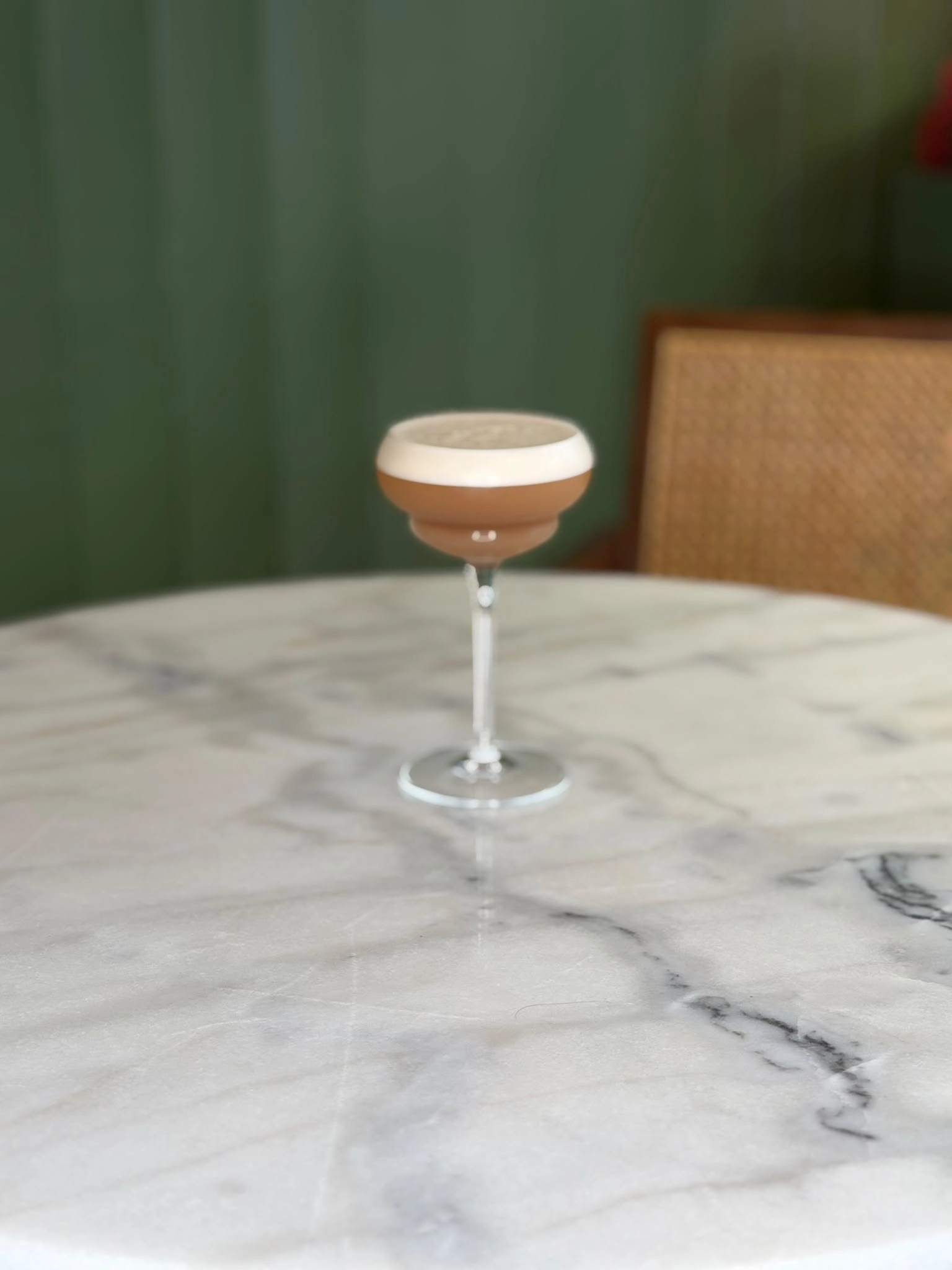
Instead, the Cocktail 2026 Odyssey drink list uses research to create a journey. Each drink has its own identity, combining spirits, ingredients, and references to classic cocktail culture with less predictable combinations.
Gin, whisky, tequila, mezcal, rum, and vodka meet ingredients such as tea, fig leaf, rose, birch, wild blueberry, chrysanthemum, coffee, and sour cherry. Some cocktails also begin with familiar structures – from the Negroni and Manhattan to the Margarita and Spritz – before moving in a different direction.
It is an approach to mixology that begins with an understanding of classic cocktails but does not stop at simply reproducing them.
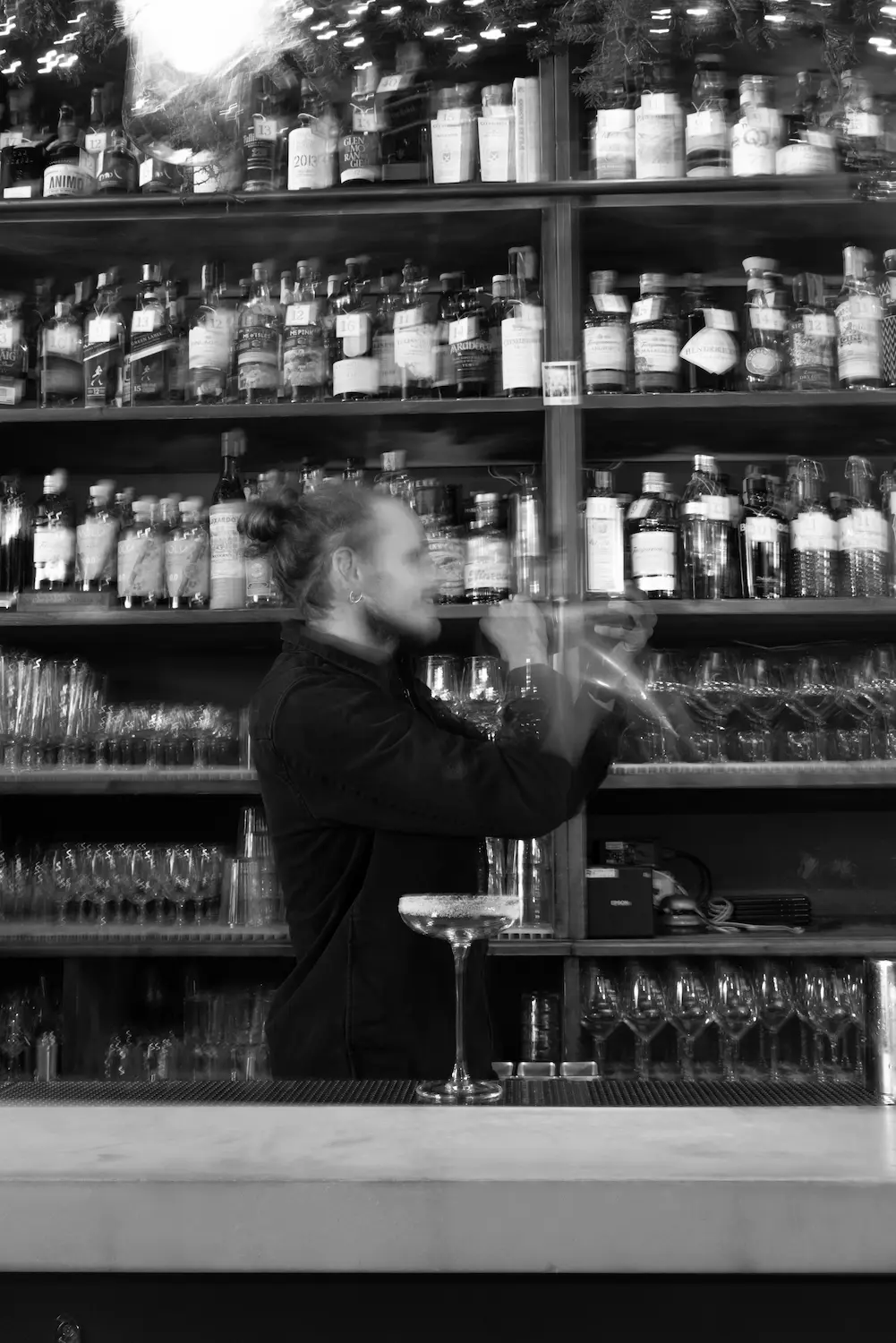
The technique stays behind the bar. What reaches the guest is the result of the research.
Signature Cocktails and Great Classics Can Coexist
The growth of mixology has not made classic cocktails less important. If anything, the opposite has happened.
The greater the opportunity to experiment, the more important it becomes to understand the foundations.
This relationship is also clear in UGO’s offering. The cocktail menu places contemporary creations alongside a selection of classics and UGO’s Classics, drinks that have become part of the bar’s identity.
For the guest, this means having a choice. You can look for something familiar or allow a familiar reference to become the starting point for discovering something new.
Where to Drink Signature Cocktails in Navigli
Looking for a cocktail bar in Navigli does not necessarily mean simply looking for somewhere to have a drink.
For anyone interested in mixology, the cocktail menu itself can become part of the experience. It reveals how a bar approaches cocktails, which ingredients it chooses, and how much room it gives to experimentation.
At UGO Cocktail Bar – Bistrot on Via Corsico, the answer takes the form of an odyssey: classic cocktails, reinterpretations, and signature creations come together in a menu that begins with the culture of mixology and develops a language of its own.
Because ultimately, mixology is not about making a cocktail more complicated.
It is about discovering how far you can go starting with a glass, a few ingredients, and a good idea.