
Everyone has a place they recommend without even thinking about it.
When someone asks where to go for a good cocktail, to meet friends, or to spend a pleasant evening, that name comes to mind naturally. There is no need to think twice. It is a place you have visited more than once, a place that has accompanied different moments of your life and, over time, has become a familiar presence.
That is how some addresses stop being simple venues and begin to become part of the city itself.
It Doesn't Happen in a Single Evening
People often assume that the success of a place depends solely on the quality of what it offers. Of course, quality matters. A well-made cocktail, thoughtful cuisine, and attentive service are all essential elements.
But on their own, they are not enough. Many venues offer excellent experiences. Yet only a few manage to build a lasting connection with the people who visit them. The difference is rarely found in a single detail.
More often, it comes from the ability to create continuity. People return to places where they feel comfortable, where they find a recognizable atmosphere, genuine hospitality, and a level of quality that does not need to constantly impress in order to be appreciated.
Habits Tell a Bigger Story Than Trends
Trends pass quickly. Every year brings new openings, new ideas, and new ways of experiencing the city. Some places attract immediate attention. Others choose a different and more patient path.
Over time, it is often the latter that leave the deepest mark. Not because they remain unchanged, but because they preserve a clear identity. They evolve without chasing every new trend.
They maintain a recognizable character and allow people to find something familiar each time they return. Cities need innovation, but they also need places that become points of reference.
Places Take Shape Through People
An address, on its own, is simply a point on a map. What gives it meaning are the people who pass through it every day. The meetings, conversations, toasts, and evenings spent there all contribute to shaping the identity of a place.
If we think about it, many of the memories we associate with a city are not connected to landmarks or iconic buildings. They are connected to moments: an unplanned dinner, a cocktail shared after a long day, a conversation that lasted longer than expected.
These experiences gradually transform a venue into something that belongs to people's memories.
When a Neighborhood Recognizes Itself in Its Places
very neighborhood has its own identity. It is not defined only by its streets and architecture. It is also shaped by the places that accompany everyday life.
In the Navigli district, this is especially evident. For years, the area has been one of Milan's most vibrant meeting points. Different people cross paths, stop for a while, and spend time together, helping to create the atmosphere that makes the neighborhood instantly recognizable.
Within this setting, certain places take on a special role. They become part of the rhythm of the area, contributing to the life of the neighborhood through continuity and authenticity.
UGO and the Pleasure of Continuity
At UGO Cocktail Bar – Bistrotin the heart of Navigli, this relationship with the neighborhood has been built over time.
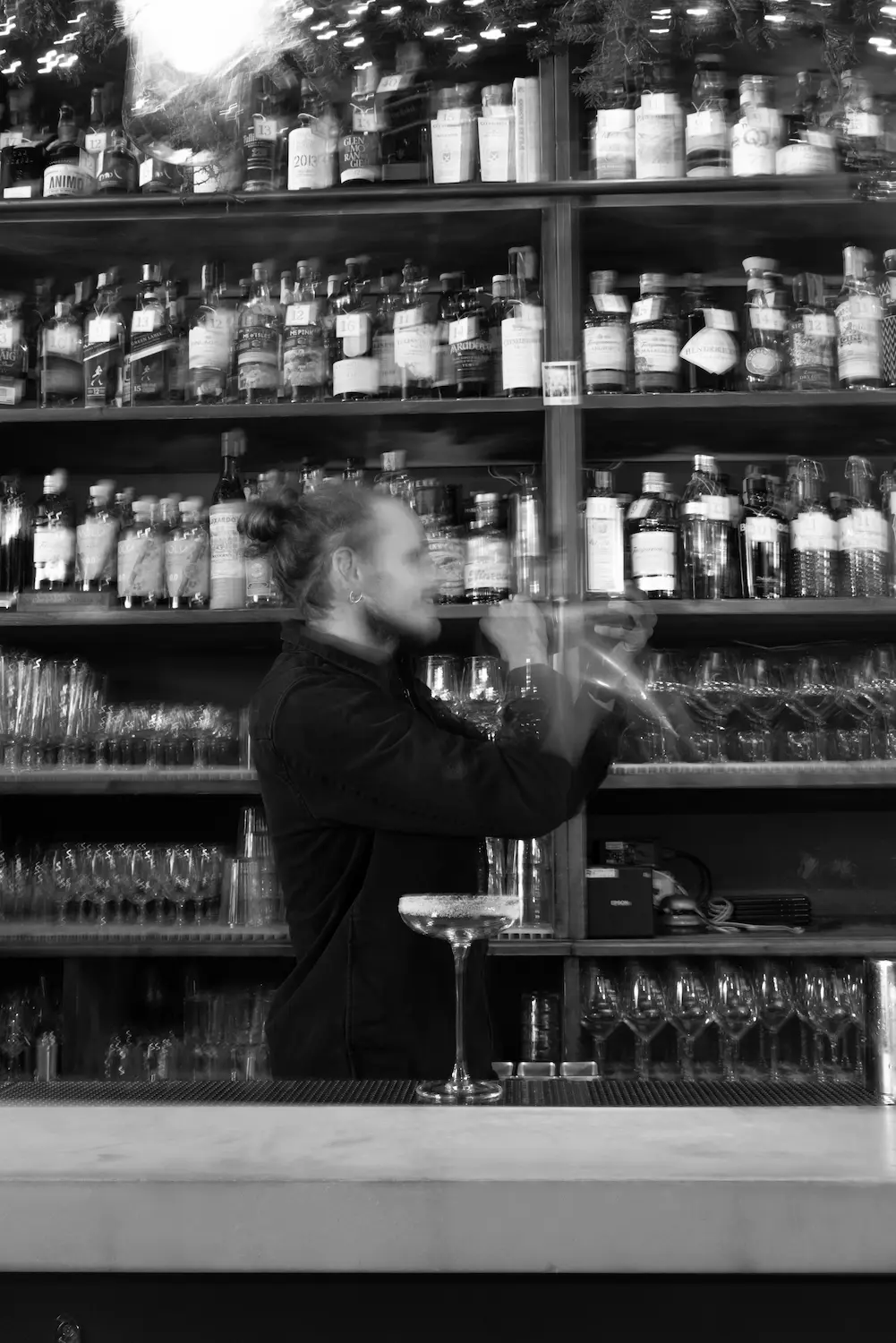
Signature cocktails, timeless classics, wines, beers, and bistrot cuisine come together in a space that has always favored balance over excess and quality over passing trends.
The goal has never been to surprise at any cost. Instead, it has been to create a place where people can feel comfortable, return with pleasure, and enjoy each evening in their own way while always finding the same attention to detail.
What Remains Over Time
Perhaps this is why some places become part of a city. Not because they are perfect. Not because they are always new. But because they become part of people's lives naturally.
Evening after evening, meeting after meeting, they build something that goes beyond what they offer. They become part of habits, memories, and stories that continue to unfold over time.
And that is when an address stops being simply a place to visit and becomes, in every sense, a small part of the city itself.